Reducing No-Shows at Your Vet Clinic: Real Causes and Solutions
Discover the real reasons behind no-shows at your vet clinic and effective strategies to reduce them, enhancing patient care and clinic efficiency.
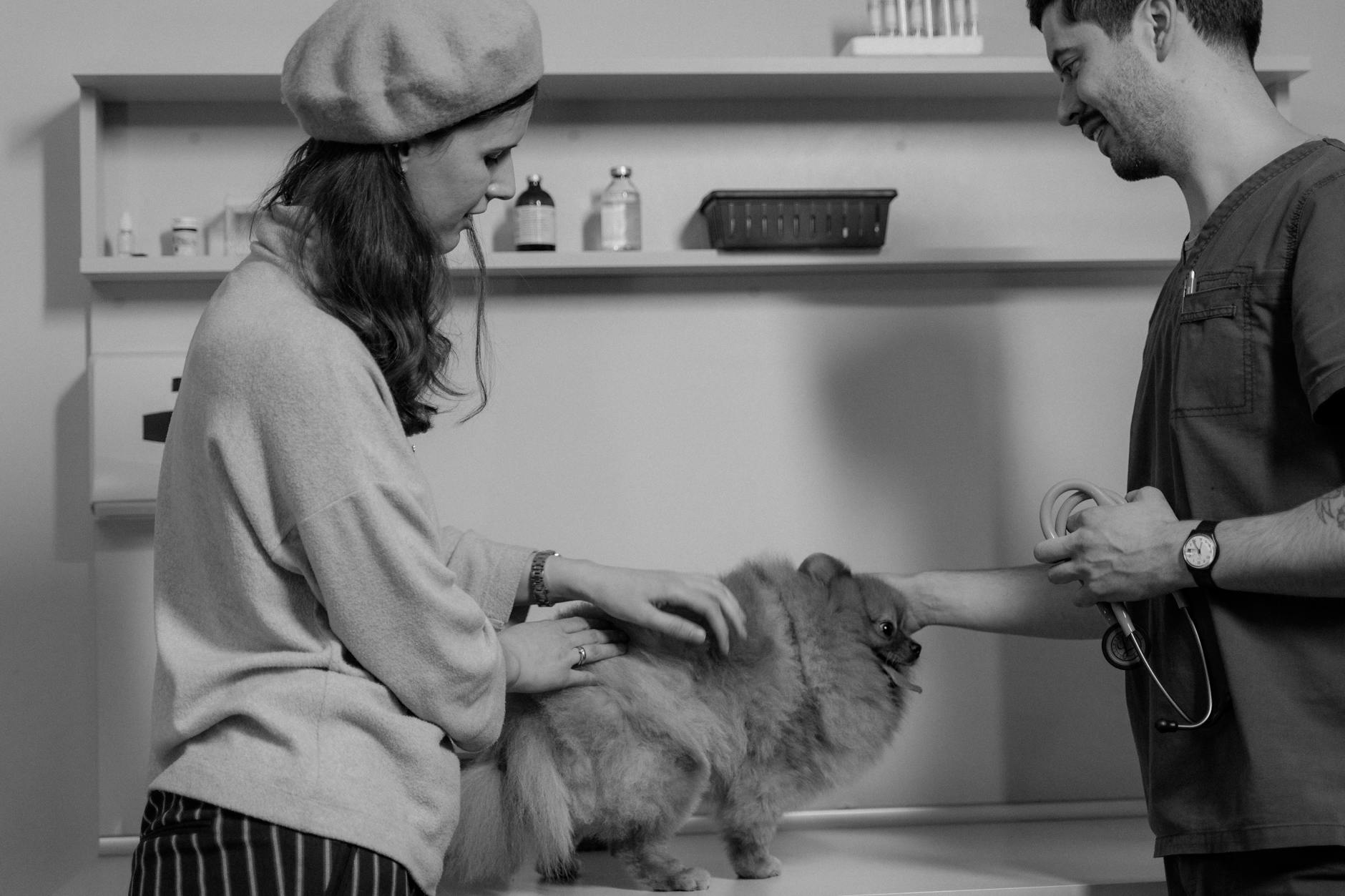
Imagine This Scenario:
It's a typical Saturday morning at your bustling urban clinic. Your reception area is full of pet parents, each with their own urgent concerns. As you manage staff and appointments, you're suddenly informed that two patients have not shown up for their scheduled slots. This disrupts the careful balance of the day's schedule, leading to wasted time and potentially lost revenue.
The Real Problem with No-Shows
No-shows are more than just a minor inconvenience; they can severely impact the operational efficiency and financial health of a clinic. Consider a situation where your clinic has scheduled 30-40 appointments per day. Unexpected gaps due to no-shows can halt workflow, leaving your team struggling to manage other patient cases effectively.
No-show rates in veterinary clinics can be influenced by various factors including forgetfulness, lack of perceived urgency, or even misunderstanding the appointment protocols. These issues highlight deeper problems in communication and scheduling that need addressing to ensure smooth operations.
Why Current Approaches Fail
Traditional methods of reminder calls made by reception staff are time-consuming and often inconsistent. Even when reminders are sent, they may not reach the pet parent in a timely manner or through their preferred communication channel. Let's explore why these approaches often fall short:
- Inconsistent Communications: Reliance on staff to make reminder calls can lead to inconsistencies, especially during busy periods or staff shortages.
- Inadequate Follow-Up: Lack of a robust system for follow-ups means that once an appointment is missed, it’s challenging to reschedule promptly.
- Limited Visibility: Without software that tracks and highlights missed appointments, clinics struggle to analyze no-show patterns and take corrective action.
The Workflow That Works: Steps to Reduce No-Shows
Reducing no-shows involves implementing a proactive workflow supported by technology. Here’s a step-by-step approach to tackle the issue:
1. Automated Appointment Reminders:
Integrating a software solution that sends automatic reminders via WhatsApp or SMS can significantly decrease no-shows. ClinicDesq offers automated reminders that can be customized and sent at intervals leading up to the appointment. This ensures that pet parents receive consistent reminders without adding to your staff’s workload.
2. Real-Time Scheduling Adjustments:
With a platform like ClinicDesq, your receptionists can view real-time schedules and make adjustments as needed. If a no-show occurs, they can easily reallocate that time slot either by advancing another appointment or by opening it up for walk-ins.
3. Pet Parent Portal Access:
Providing a digital portal where pet owners can view, confirm, or reschedule appointments can empower them to manage their own schedules more effectively, reducing forgetfulness.
4. Post-No-Show Follow-Up:
For patients who do miss their appointments, automated follow-ups can be triggered to reschedule. This not only increases the likelihood of a future visit but also shows pet parents that their presence is valued.
5. Analyze and Adapt:
Finally, utilize analytics to understand no-show patterns. Are there specific times or days when no-shows are more frequent? Understanding these patterns allows your team to adjust scheduling practices, perhaps by overbooking during peak times or providing additional reminders.
Implementation Checklist
- Select a Comprehensive Management Software: Ensure that your software supports automated reminders and real-time scheduling.
- Train Your Staff: Ensure everyone is comfortable with the software and understands the workflow changes.
- Communicate With Clients: Inform clients about the new reminder systems and how it benefits them.
- Monitor and Adjust: Use analytics to make data-driven decisions and improve processes.
Common Mistakes to Avoid
Relying Solely on Manual Processes: Human error is inevitable, and relying solely on manual processes for scheduling and reminders can lead to unnecessary errors. Ensure technology supports and enhances human tasks rather than replacing them.
Ignoring Analytics: Using software with built-in analytics but failing to use that data to make informed scheduling decisions can lead to missed opportunities for improvement.
Lack of Training: Implementing new systems without thorough staff training can hinder adoption and effectiveness. Ensure comprehensive training sessions and ongoing support.
Comparison Table: Scheduling Tools
| Feature | ClinicDesq | ezyVet | Digitail |
|---|---|---|---|
| Automated WhatsApp Reminders | Yes | No | Yes |
| Real-Time Schedule Adjustments | Yes | Yes | No |
| Pet Parent Portal Access | Yes | Yes | Yes |
| Post-No-Show Follow-Up | Yes | No | Yes |
| Customizable Reminder Templates | Yes | Yes | No |
FAQs
Q: How can automated reminders reduce no-shows in my clinic?
Automated reminders ensure that pet parents receive consistent communication about their appointments. These reminders, sent via their preferred communication channel like WhatsApp, reduce the chances of forgetfulness and increase attendance rates.
Q: What is the role of analytics in managing no-shows?
Analytics help identify patterns in no-shows, such as specific times or days that are problematic. This data enables clinics to adjust scheduling practices, implement targeted reminders, and ultimately reduce no-show rates.
Q: Can ClinicDesq integrate with other systems at my clinic?
Yes, ClinicDesq offers webhook APIs for third-party integrations, ensuring seamless connectivity with other systems you might be using, such as payment gateways or inventory management tools.
Q: What if a client still doesn't show even with reminders?
Implementing a follow-up protocol for missed appointments can encourage rescheduling. This process can be automated in ClinicDesq to streamline communications without additional manual effort from your team.
Q: How does real-time scheduling benefit my clinic?
Real-time scheduling allows your team to instantly adjust appointments based on cancellations or no-shows, making it easier to fill open slots and optimize staff time effectively.
If this resonates with how your clinic operates, ClinicDesq offers a free trial — explore it here.
Run a smarter vet clinic with ClinicDesq
Digital case sheets, auto drug dosage, IPD tracking, inventory, billing — all in one platform.
See it in action →Related Articles
Automating Follow-Ups in Vet Clinics: A Software-Driven Approach

Automating Follow-Ups in Vet Clinics: A Comprehensive Guide