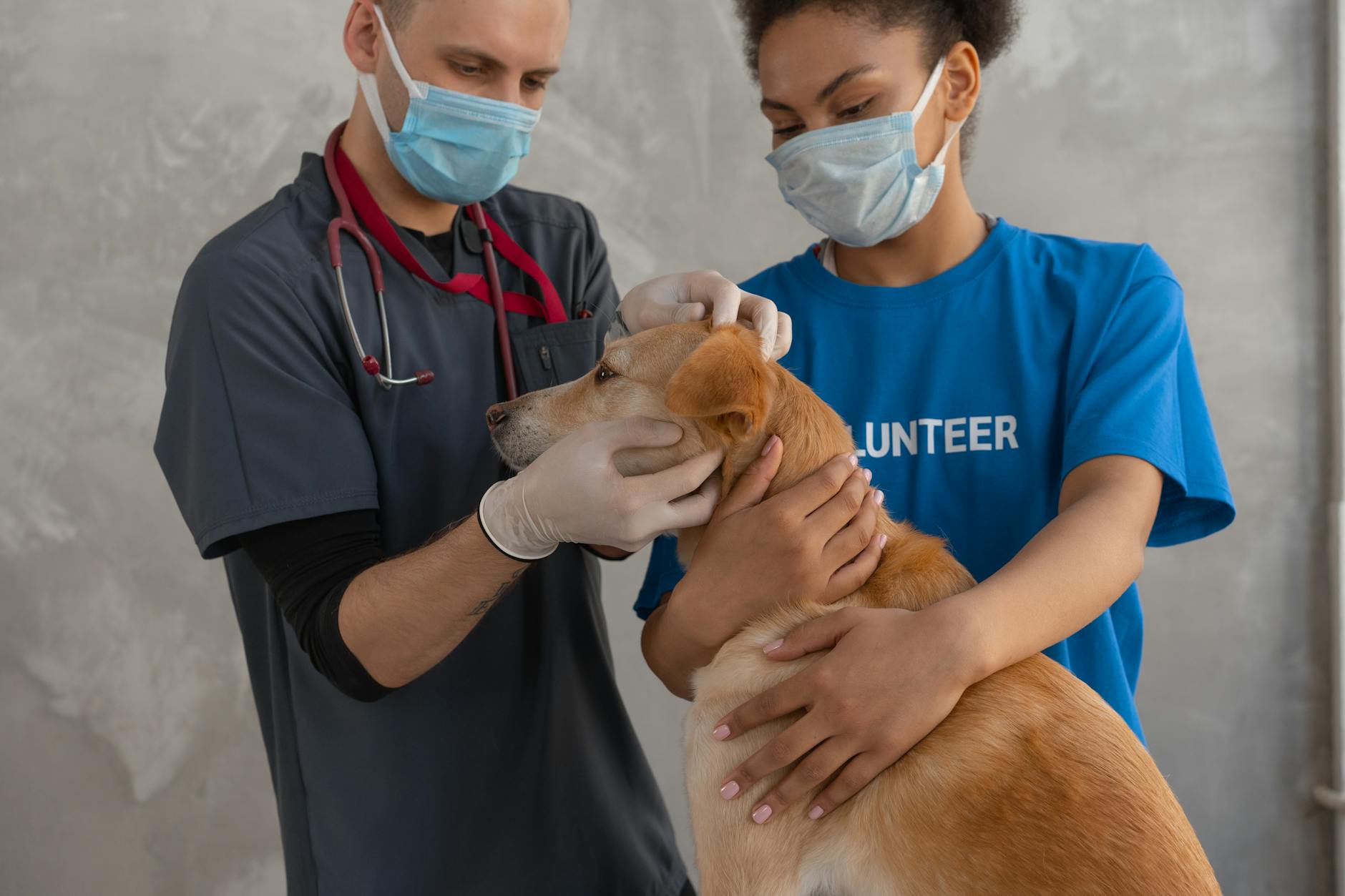
Clinical Supervision for Head Vets in Multi-Clinic Groups
Explore essential strategies and tools for effective clinical supervision in multi-clinic vet groups, enhancing care quality and operational efficiency.
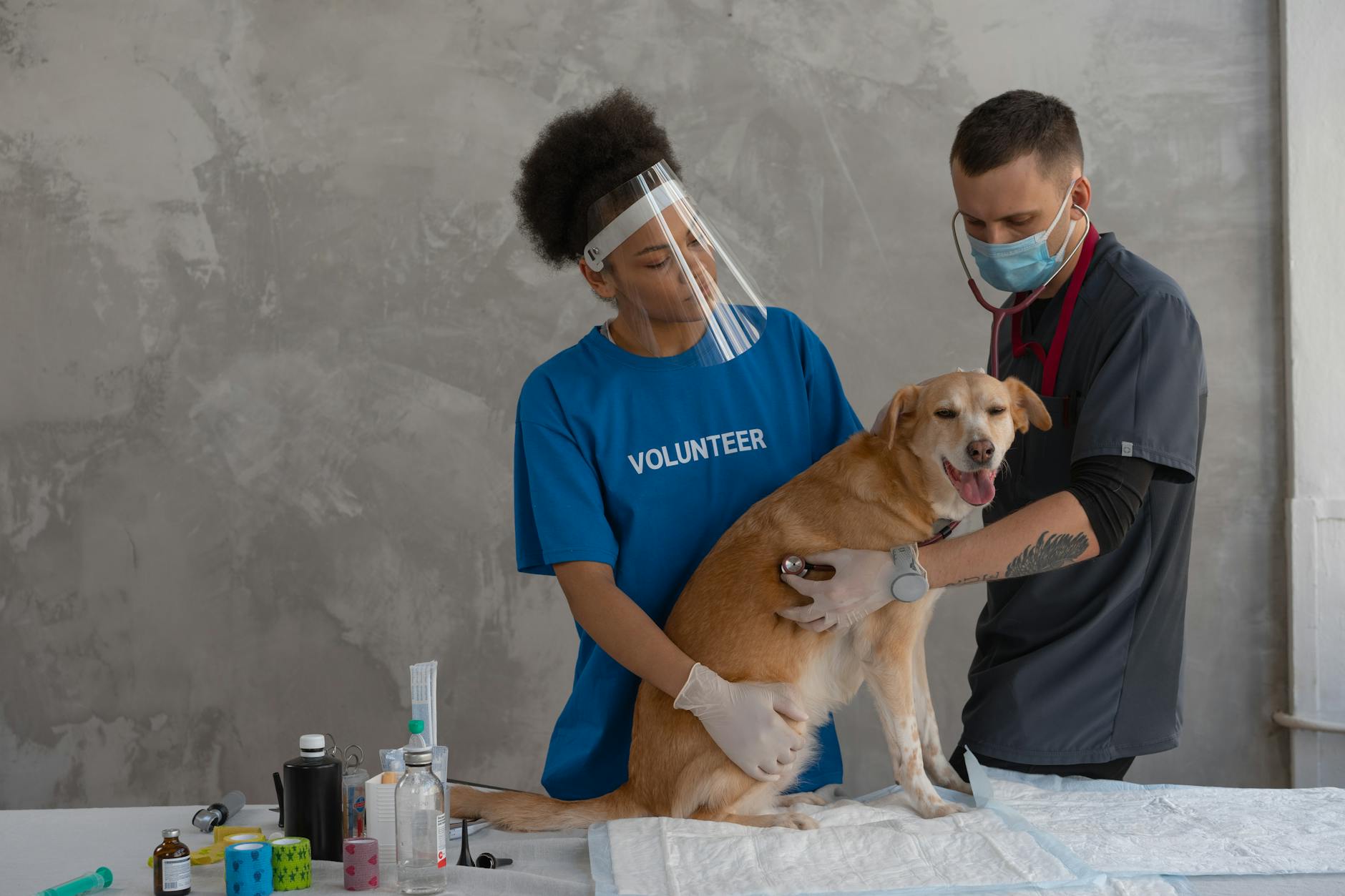
Clinical Supervision for Head Vets: What Multi-Clinic Groups Need
Imagine this: You're managing a bustling veterinary clinic chain with locations across several cities. Each clinic has its own team of veterinarians, each with varied levels of experience and expertise. As the head vet or practice manager, ensuring consistent and high-quality care across all sites is your top priority. How do you maintain oversight and standardization without being on-site at every location?
Understanding the Real Problem
The challenge of clinical supervision in multi-clinic groups often stems from the physical and procedural disconnect between locations. Head vets need to mentor junior vets, oversee treatment protocols, and ensure that every clinic adheres to the same standard of care. However, without a structured framework, this level of oversight can lead to inconsistencies and inefficiencies.
Symptoms of ineffective clinical supervision may include:
- Varying treatment outcomes between clinics.
- Inconsistent adherence to protocols.
- Difficulty in tracking and managing clinical performance.
- Increased risk of errors or oversight in patient care.
These issues not only compromise patient welfare but can also impact the clinic's reputation and operational efficiency.
Why Current Approaches Often Fail
Many clinics still rely on traditional methods such as monthly visits, manual audits, and paper-based communication. While these can provide some level of oversight, they are often time-consuming and prone to errors. Furthermore, they fail to provide real-time insights that are crucial for making informed decisions quickly.
In the age of digital transformation, relying solely on these methods is akin to using a typewriter in a world of computers. The lack of real-time data can leave head vets and practice managers out of touch with daily operations and unable to respond swiftly to issues as they arise.
The Workflow That Works: A Step-by-Step Guide
Step 1: Implement a Centralized Digital Platform
A cloud-based veterinary practice management system like ClinicDesq can serve as the backbone of your multi-clinic operations. By centralizing data, it allows head vets to access clinical records, treatment protocols, and performance metrics from any location.
Step 2: Standardize Treatment Protocols
Utilize digital case sheets and AI-assisted drug dosage calculations to standardize treatment protocols across all clinics. This not only ensures consistency but also reduces the cognitive load on individual vets, allowing them to focus on patient care rather than administrative tasks.
Step 3: Real-Time Monitoring and Reporting
With a centralized system, head vets can monitor clinical activities across all locations in real time. Dashboards can be customized to show key performance indicators such as appointment volumes, treatment outcomes, and compliance with protocols. This data-driven approach allows for timely interventions and continuous improvement.
Step 4: Facilitate Remote Training and Mentorship
Leverage digital communication tools integrated into your management software to conduct remote training sessions and mentorship. Video conferencing, integrated chat functions, and resource sharing can bridge the geographical gap, enabling head vets to provide guidance and support without the need for physical presence.
Step 5: Automate Administrative Tasks
Automation of routine tasks such as appointment scheduling, billing, and inventory management can free up time for clinical staff to focus on patient care. Systems like ClinicDesq offer features such as automated WhatsApp reminders and GST-compliant billing, which streamline these processes.
"In the digital era, effective clinical supervision is about leveraging technology to enhance oversight and foster continuous improvement rather than micromanaging every detail in person."
Implementation Checklist
- Choose the Right Software: Evaluate platforms like ezyVet, Digitail, and ClinicDesq for features such as multi-clinic management, real-time data access, and communication tools.
- Train Your Team: Ensure all staff are trained on the new system, focusing on how it benefits their daily roles.
- Standardize Protocols: Develop standardized treatment protocols and ensure they are accessible through the digital platform.
- Set Up Monitoring Metrics: Identify and set up key performance indicators that align with your clinic's goals.
- Schedule Regular Reviews: Use the data gathered to conduct regular reviews and adjust protocols or training as needed.
Comparison of Veterinary Practice Management Software
| Feature | ClinicDesq | ezyVet | Digitail | VetPort |
|---|---|---|---|---|
| Multi-Clinic Management | Yes | Yes | Yes | Yes |
| GST Compliance | Yes | No | Yes | Yes |
| WhatsApp Integration | Yes | No | No | No |
| India Availability | Yes | Yes | Yes | Yes |
| AI-Assisted Dosage | Yes | No | Yes | No |
What Matters Most for Your Clinic
Choosing the right tools and strategies for clinical supervision depends on several factors, including the size of your clinic network, the diversity of services offered, and the existing technical infrastructure. If your clinics are primarily located in India, ensuring GST compliance and leveraging popular communication tools like WhatsApp can be a game-changer.
While ClinicDesq is newer and purpose-built for Indian vet clinics, it offers unique features such as GST-compliant billing and WhatsApp integration, which can significantly enhance operational efficiency for local clinics.
Our Recommendation
If your multi-clinic group is seeking to enhance clinical supervision and operational efficiency, investing in a cloud-based practice management system is crucial. ClinicDesq offers a robust set of features tailored to the needs of Indian veterinary clinics, making it a compelling choice for those looking to modernize their operations.
FAQs
Q: How does ClinicDesq facilitate clinical supervision across multiple locations?
ClinicDesq centralizes all clinical data, providing head vets with real-time access to treatment records, performance metrics, and compliance reports. This allows for effective oversight and timely interventions without physical visits.
Q: What are the benefits of standardizing treatment protocols?
Standardizing protocols ensures consistency in patient care, reduces the risk of errors, and enhances the overall quality of services provided across all clinics. It also simplifies training and onboarding for new staff.
Q: Can ClinicDesq help with inventory management?
Yes, ClinicDesq offers comprehensive inventory management features, including batch tracking, expiry alerts, and inter-clinic transfers. This helps maintain optimal stock levels and prevents wastage.
Q: Is WhatsApp integration really necessary for a vet clinic?
In India, WhatsApp is a primary communication tool. Integration allows clinics to send appointment reminders, follow-up messages, and payment links directly to pet parents, enhancing communication efficiency and reducing no-shows.
Q: How does the use of digital tools impact the clinic staff's workload?
Digital tools like ClinicDesq automate routine tasks, reduce paperwork, and provide easy access to information, allowing staff to focus more on patient care and less on administrative duties. This can lead to improved job satisfaction and reduced burnout.
Run a smarter vet clinic with ClinicDesq
Digital case sheets, auto drug dosage, IPD tracking, inventory, billing — all in one platform.
See it in action →Related Articles